
Akro
Akro
Курсы Журнал О нас

About Akro

Classical languages, taught as living reading.

Akro brings Ancient Greek and Latin together through careful teaching, beautiful reading environments, and a conviction that grammar matters most when it leads into real texts.

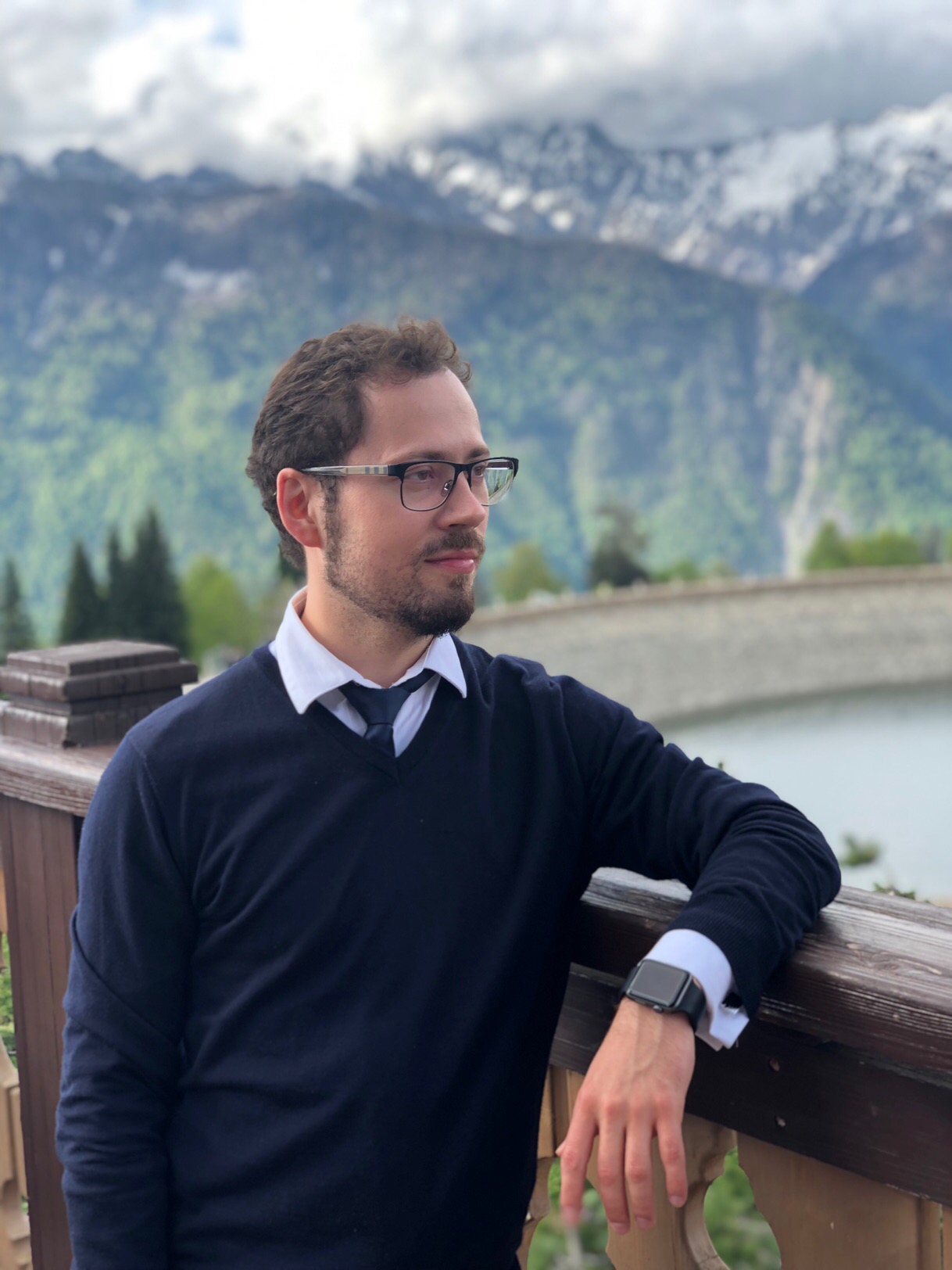
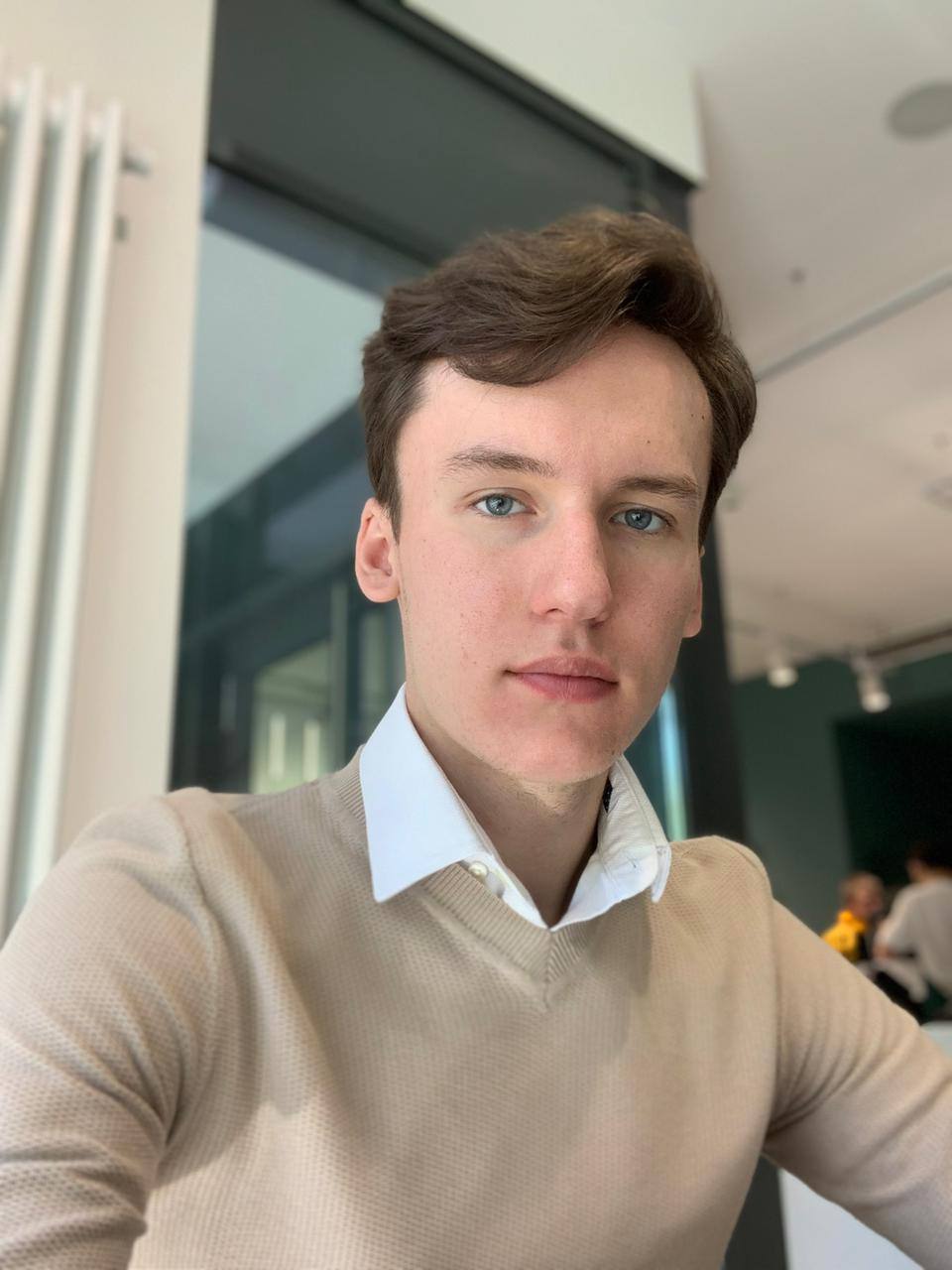
Portrait plate of Nicetas, organizer of the Latin and Ancient Greek courses
Portrait plate of Romanus, organizer of the Ancient Greek course

Teachers

Meet the people behind the cohorts

Our courses are led by researchers and classicists who treat ancient languages as an entrance into literature, philosophy, history, and the long discipline of reading.

Portrait plate of Nicetas, organizer of the Latin and Ancient Greek courses
Latin & Ancient Greek

Nicetas

Passionate about languages and classical philology, Nicetas helps organize the Latin and Ancient Greek courses.

Nicetas studied Ancient History at Lomonosov Moscow State University from 2019 to 2022, in the Department of Ancient History, as a student of A. V. Belousov. He was one of the principal organizers of PALÆSTRA from its founding in 2022 on A. V. Belousov's initiative. In 2022-2023 he completed an internship at Accademia Vivarium Novum. In 2024 he completed his BA at RSUH's Institute for Oriental and Classical Studies. In 2023-2024 he led CARMENTA, a living Latin club now known as PHILOLALOI, and served as deputy chair of the Melissa student research society at RSUH. Since 2024 he has been an MA student at the École Normale Supérieure in Paris, and since 2025 an MA student at RANEPA's School of Advanced Studies in the Humanities.

Focus: Historical and comparative grammar of classical languages, syntax, Latin grammarians, archaic Latin, and Indo-European studies.
Languages: English (C1, 2015), French (C1, 2023), German (B2, 2022), Latvian (C1, 2017), Italian fluent, Russian native
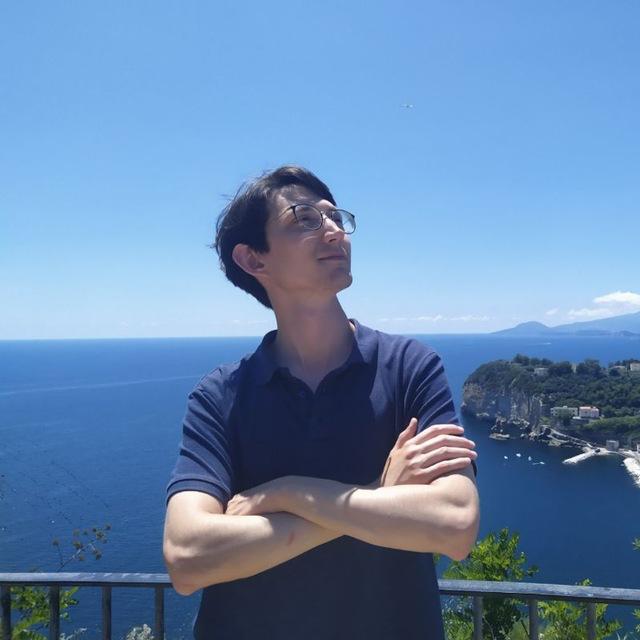
Portrait plate of Romanus, organizer of the Ancient Greek course
Ancient Greek

Romanus

Romanus helps organize Ancient Greek as a path into thought, literature, and argument.

Romanus is a PhD researcher in Philosophy at the Complutense University of Madrid and an FPI fellow at IFS-CSIC. His work focuses on Spanish and Ibero-American philosophy, the history of ideas, and the relation between language, thought, and culture.

Focus: At UCM, he leads an Aristotle philosophy reading club; in Akro, he helps students move from first grammar to direct reading of ancient texts with philological precision and philosophical context.
Languages: English C1, Spanish C1, German B2, Russian native

Teaching

How we approach the ancient world

Grammar serves reading

Forms and syntax are taught as tools for understanding sentences, not as isolated tables to admire from a distance.

Texts arrive early

Students meet meaningful passages from the start, with guidance that keeps difficulty productive rather than discouraging.

Beauty matters

The visual world of Akro is part of the pedagogy: reading should feel focused, serious, and worth returning to.

Begin with Greek, Latin, or both.

Join a small guided cohort and move from first grammar into real classical reading with support and structure.