
AKRO by Stradarium

About Akro

Classical languages, taught as living reading.

At AKRO, we are creating a comprehensive educational ecosystem that combines active teaching with advanced technology. We believe that academic rigour should go hand in hand with a beautiful digital environment, and that grammar gains meaning when it leads to reading authentic, original texts.

Founders

Who stands behind AKRO?

«We conceived AKRO in October 2024. Our first idea was to create an app that would let readers follow along with an original Ancient Greek text in real time — something that did not exist then and still does not exist outside AKRO. The first public mobile version launched in January 2025, and we soon realised that we were building not just an app, but a complete ed-tech ecosystem. Today, we continue to develop our technology and prepare more and more updates for our users.»

— © Romanus / Nicetas
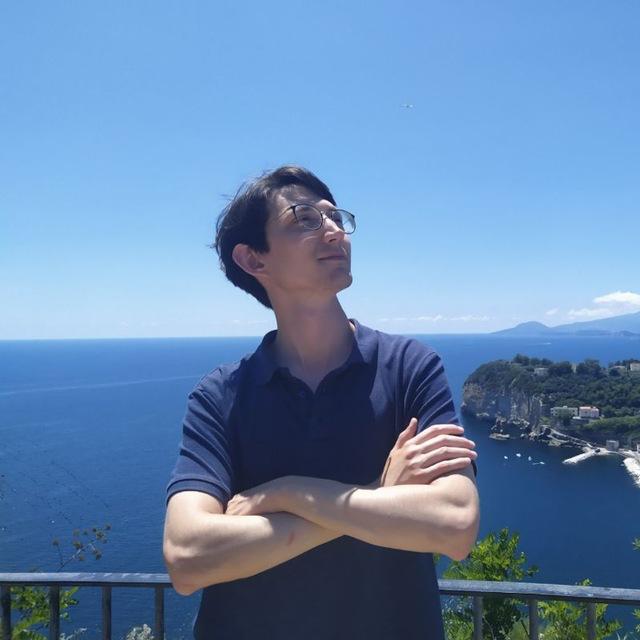
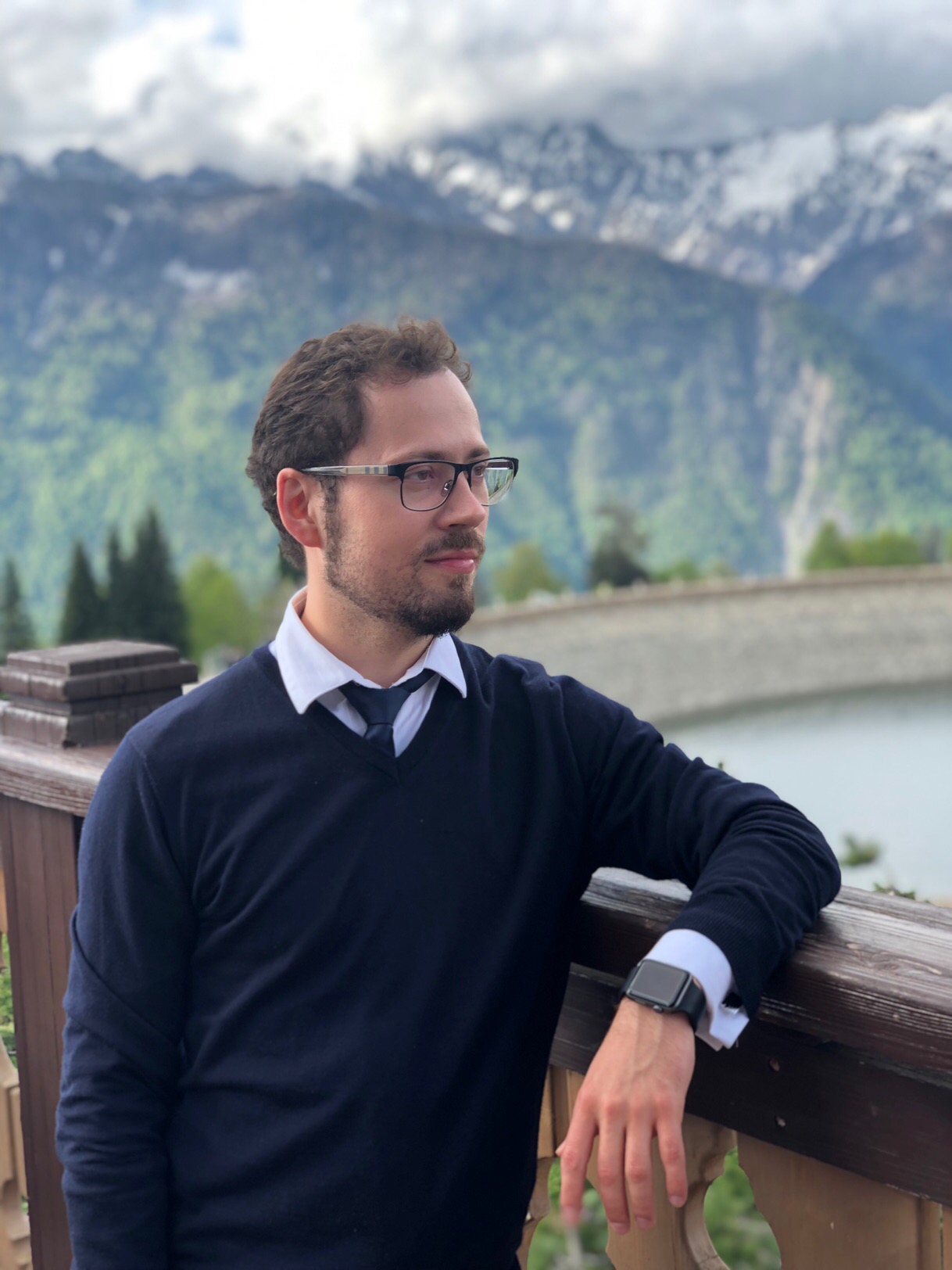
Portrait of Nicetas, Latin and Ancient Greek teacher
Latin & Ancient Greek Chief Academic Officer

Nicetas

AKRO co-founder and Chief Academic Officer, Nicetas is responsible for the project's academic content and oversees the entire learning process.

Nicetas studied Ancient History at Lomonosov Moscow State University (2019-2022), completed an internship at Accademia Vivarium Novum (2022-2023), completed BA at RSUH's Institute for Oriental and Classical Studies – and since 2024 he has pursued his MA at the École Normale Supérieure (Paris) and RANEPA (Management in Culture, Education and Science).
Focus: Historical and comparative grammar of classical languages, syntax, Latin grammarians, archaic Latin, and Indo-European studies.
Languages: English (C1, 2015), French (C1, 2023), German (B2, 2022), Latvian (C1, 2017), Italian fluent, Russian native
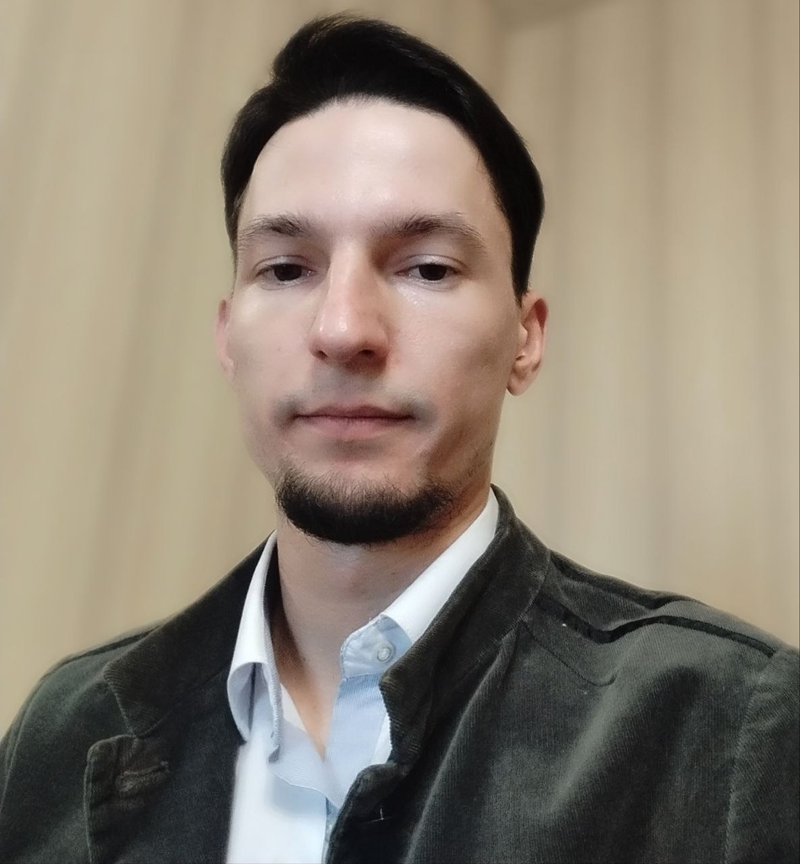
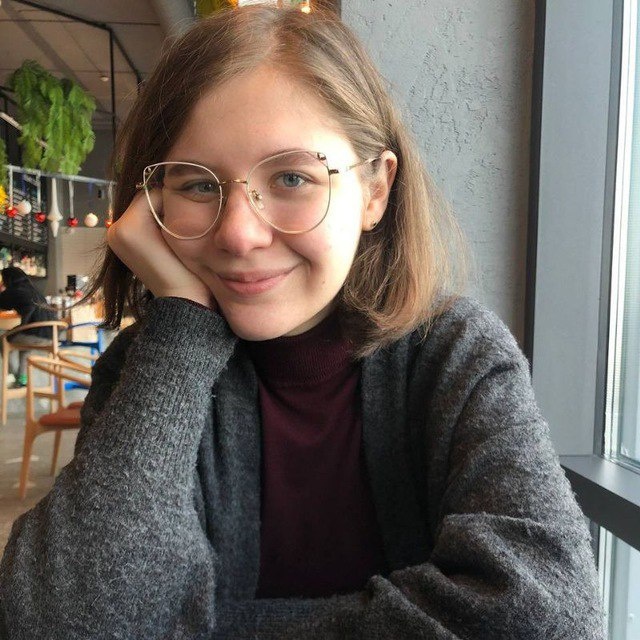
Portrait of Romanus, organizer of the Ancient Greek course
Ancient Greek CEO

Romanus

AKRO co-founder and CEO, Romanus is responsible for the project's technical and product direction, keeping its resources running smoothly and its processes connected.

Romanus is a PhD researcher in Philosophy at the Complutense University of Madrid and an FPI fellow at IFS-CSIC. His work focuses on Spanish and Ibero-American philosophy, the history of ideas, and the relation between language, thought, and culture.

Focus: At UCM, he leads an Aristotle philosophy reading club; in Akro, he helps students move from first grammar to direct reading of ancient texts with philological precision and philosophical context.
Languages: English C1, Spanish C1, German B2, Russian native

Course teachers

The people guiding your language journey

Portrait of Polina Krupinina, Latin instructor at AKRO
Latin instructor Lingua Latina

Polina Krupinina

Polina teaches Latin in a way that makes an ancient language feel clear, structured, and alive from the very first lessons.

Her approach combines a strong grammatical foundation with a deep understanding of how people learn: she holds a BA in Philosophy and an MA in Evidence-Based Education Development from HSE University.

She is a regular tutor at the Antibarbari HSE club and has completed six programmes at Vivarium Novum, one of the world's leading centres for active Latin and Greek: Latin and Greek courses, a Seneca reading seminar, and the in-person Otia Tusculana programme. She has also studied with Oxford Latinitas in a women-only reading seminar.

In her classes, students move step by step through grammar, begin reading original texts, and gradually gain confidence in working with Latin.

Julita, Latin instructor at AKRO, holding an open book
Latin instructor Lingua Latina

Julita

Julita makes Latin grammar easier to understand through clear explanations, the history of the language, and connections with other languages. Explanations in class are given in English.

Julita is completing her MA in Classical Philology at Adam Mickiewicz University in Poznań, having previously studied Classical Studies at the University of Gdańsk. Her academic interests include the history of medicine and botany, Roman history, and the history of education.

Alongside her academic studies, Julita has developed her knowledge of Latin and other languages through independent study. She has two years of experience teaching foreign languages. Her approach draws on her passion for grammar and comparative linguistics: understanding how a language developed and how languages relate can make grammar more intuitive and meaningful.

Students describe her as a patient, warm, and logical teacher who explains difficult concepts clearly and step by step.

Languages: Polish (native), English (C1), Italian (B2+), German (B2), French (B1).

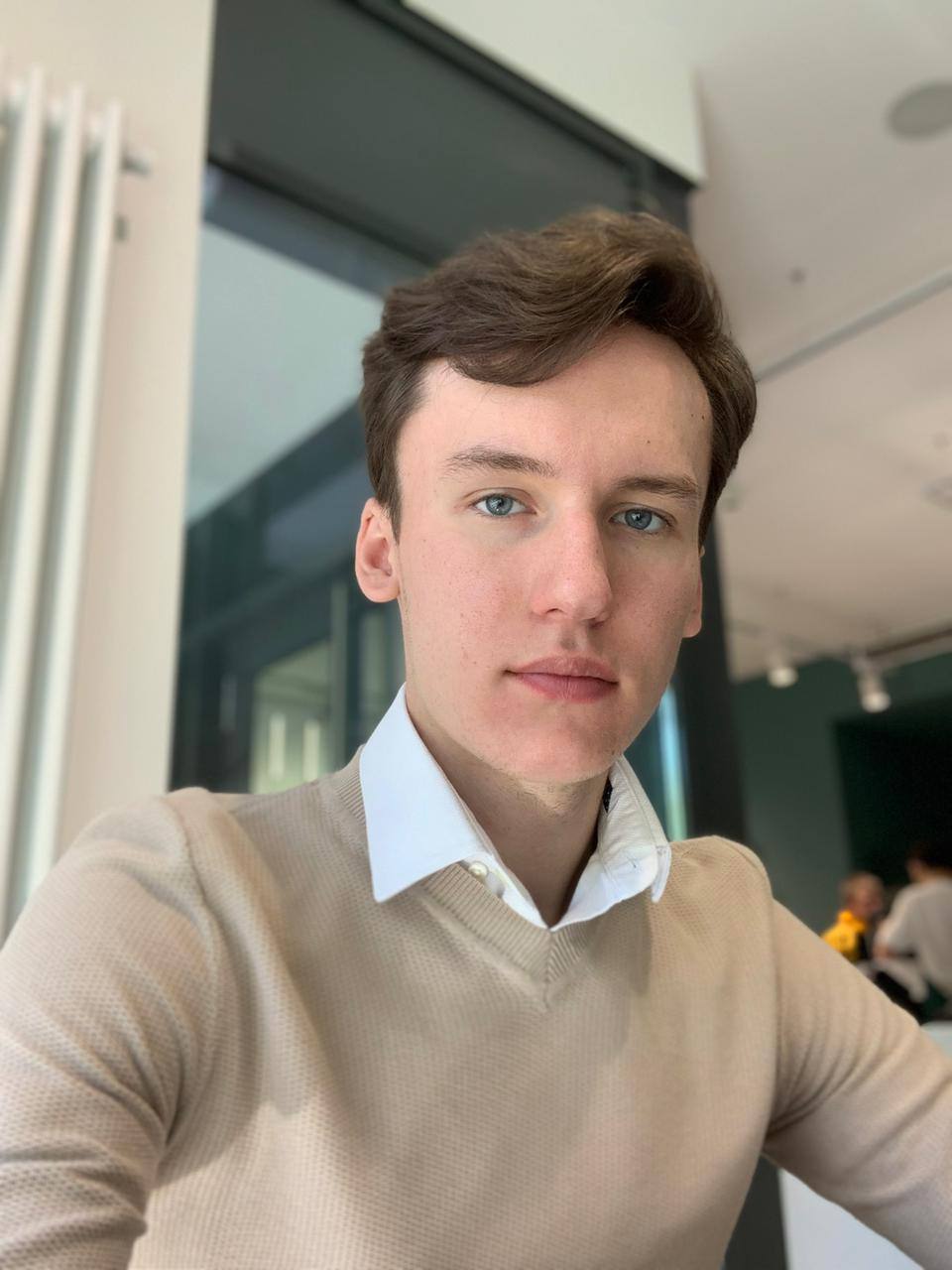
Portrait of Andreas, Latin and Ancient Greek instructor at AKRO
Latin & Ancient Greek instructor Lingua Latina · Ἑλληνική

Andreas

Andreas combines natural and grammar-translation methods to help students approach Latin and Ancient Greek with confidence.

In 2026, Andreas completed his Master's degree with honours in Classical Philology at Lomonosov Moscow State University. In 2022–2023, he twice took part in online courses at the Vivarium Novum Academy in groups devoted to reading Latin authors, before completing a one-year in-person internship at the Academy in Italy.

During his internship, Andreas participated in teaching-methodology workshops led by the Academy's instructors, organized Ancient Greek classes for beginners, and presented a seminar in Latin on the life and works of Ausonius. These experiences helped him master the inductive method of teaching classical languages both in theory and in practice.

Andreas combines techniques from natural and grammar-translation methods in both private and group teaching, drawing on the strongest practices of each. Since summer 2024, he has been a regular Latin and Ancient Greek instructor for beginner and advanced groups in the Palaestra project, where students consistently report satisfaction with their progress and leave positive feedback on his teaching.

Portrait of Daniil, Latin and Ancient Greek instructor at AKRO
Latin & Ancient Greek instructor Lingua Latina · Ἑλληνική

Daniil

Daniil's multilingual expertise and substantial teaching experience help students make highly effective progress towards genuine command of both modern and ancient languages.

Daniil completed both his bachelor's and master's degrees at the Russian State University for the Humanities (RSUH) and is currently a postgraduate researcher in Classical Philology at RSUH's Institute for Oriental and Classical Studies. He successfully completed a one-year internship at the Accademia Vivarium Novum.

Alongside Latin and Ancient Greek, Daniil speaks English, Japanese, French, Spanish, Chinese, German, and Arabic, and also works in translation. In his private teaching, he has developed learning materials focused on the practical mastery of grammar.

Teaching

How we approach the ancient world

Grammar serves reading

Forms and syntax are taught as tools for understanding sentences, not as isolated tables to admire from a distance.

Texts arrive early

Students meet meaningful passages from the start, with guidance that keeps difficulty productive rather than discouraging.

Beauty matters

The visual world of Akro is part of the pedagogy: reading should feel focused, serious, and worth returning to.

Begin with Greek, Latin, or both.

Join a small guided cohort and move from first grammar into real classical reading with support and structure.